SCABIES

Defination

Scabies is a common ectoparasitic infection of humans, caused by the mite (arthropod-acarina) Sarcoptes scabiei var homninis

Transmission

Spread of disease occurs through direct contact, prolonged hand holding or sharing of bed. Spread by fomites is uncommon as the mite cannot survive for more than two hours at room temperature. In some cases, it may be sexually transmitted. After an incubation period of a month, symptoms arise as a result of hypersensitivity to mite and its products. Scabies is more commonly seen in poor socioeconomic group. This can be attributed to overcrowding and poor hygiene.

Clinical features

Intense itching that is worse at night or when the patient is warm is the most common presentation of scabies. Usually other members of the family are also affected.
In the early stages, lesions are classically distributed over the finger webs, flexor aspect of the wrist elbow, anterior axillary fold, umbilicus, periumbilical region, genitalia, upper thighs and nipples and areolae in females. But as the disease progresses the patient may complain of generalized itching.
On examination, lesions consist of burrows and papules Burrow is the pathognomonic lesion of scabies. It is a raised, gray-brown tortuous lesion about 5 mm in length seen commonly in the web spaces, sides of fingers, borders of hands, wrists, instep of feet and genitalia. Burrow may be a dot, dotted line, curve or curved line with mite as white dot at the blind end.

Complications

Secondary infection (folliculitis or impetigo) and eczematization may occur.

Diagnosis

Presence of itching which is worse at night, burrows, characteristic distribution pattern of lesions and itching in household members or other contacts points towards diagnosis of scabies. Differentiall diagnosis like atopic dermatitis, papular urticaria, dermatitis herpetiformis and lichen planus should bei ruled out. Senile eczema, neurotic excoriations and HIV associated pruritus must also be excluded with careful history and examination.

Treatment

Topical Treatment

Permethrin 5% cream is most commonly used scabicide. Repeat application after 1 week is avdised as it is not effective against eggs of scabiesi mite. These eggs may hatch in a week’s time from first application and the hatchlings may then be killedi bv repeat permethrin application. Other topical agents used for treatment of scabies include 0.5% malathion, 10% topical crotamiton ointment, 10% sulfur in yellow soft paraffin (2.5% in infants), 6% precipitated suulfur (safe in infants) and topical 1% ivermectin.
Scabicides must be applied throughout the body except head, i.e. neck downwards as scalp and head are not involved except in infants and immunocom promised patients. Hands, web spaces, flexures, anogenital region, feet, under the nails (subungual area serves as a reservoir of infestation) , umbilicus and behind the ears should be covered properly. Since 30 g is the quantity of cream that is required to cover the entire body, patients should be instructed to apply entire 30 g of scabicide cream in order to cover the entire body. All intimates of the affected individual (i.e. family members and contacts) should be treated at about the same time irrespective of whether they are apparently affected or not. Clothes and bedding (bed sheets, pillow covers, quilt) used over past 2 days should be washed in hot water, sun dried and ironed.

Systemic Treatment
Ivernectin is the systemic drug of choice for scabies, given in a single dose of 200 ug/kg (adult dose of 12 mg), two doses separated by an interval of one week. Repeat dosing after 7 days is required as it is not effective against ova. Oral ivermectin is however not more effective than permethrin application. It finds its utility in cases where topical scabicide application is not practical such as in a non-compliant patient, in case of severe eczematization where it can lead to irritation and as a part of treatment for norwegian scabies. It is a relatively safe drug with occasional side effects like fever, dizziness, edema,i postural hypotension, somnolence, tremor or ataxia. It is avoided in children below 5 years, elderly and pregnant patients.
Patient should be counseled that itching and papules will take around 15 days after successful treatment with scabicides to subside as they are caused by hypersensitivity reaction. This can be tackled with oral antihistamines, emollients and application of mild topical corticosteroid like hydrocortisone. Topical or oral antibiotics are indicated in cases with secondary infection. Nodular scabies however may be resistant to conventional therapy and potent topical corticosteroids, topical tacrolimus or intralesional steroids may be required for complete resolution. Oral ivermectin is the treatment of choice for norwegian scabies along with prolonged therapy with several applications of scabicides.

ANATOMY OF HUMAN SKIN

Introduction

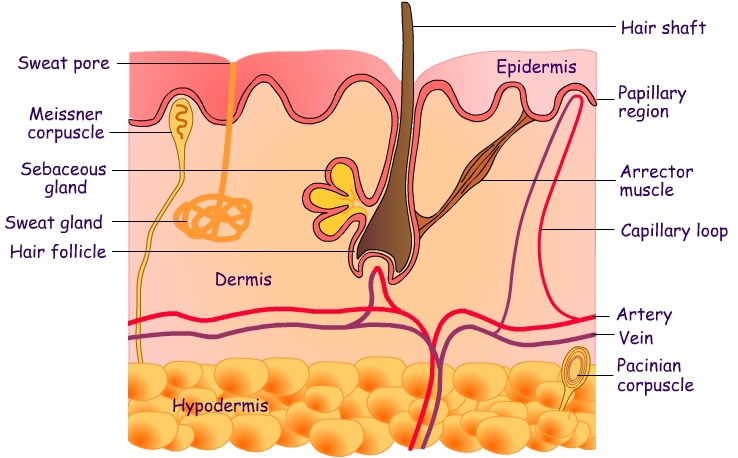
Skin is the largest organ of the body with a surface area of 2 m2 in a 70 kg individual. It accounts for 16 to 20% of the total body weight. Human skin is of two types: hair-bearing skin and non-hair-bearing (glabrous) skin as seen on palms and soles. The glabrous skin is marked by a series of ridges and grooves (sulci) with a configuration unique to each individual known as dermatoglyphics. Skin is primarily composed of the following: 1. Epithelial tissue (epidermis and dermis) 2. Adipose tissue (hypodermis)

3. Accessory structures (hair, nails, glands and sensory receptors).

Structure of the Skin

The skin is composed of three layers:

  • The epidermis: contains keratinocytes which synthesize keratin (protective protein)
  • The dermis: made up of fibrillar structural protein known as collagen.
  • Subcutaneous tissue (hypodermis/panniculus) : contains lipocytes

Hair, nails, sebaceous, sweat and apocrine glands are regarded as derivatives of skin.

EPIDERMIS

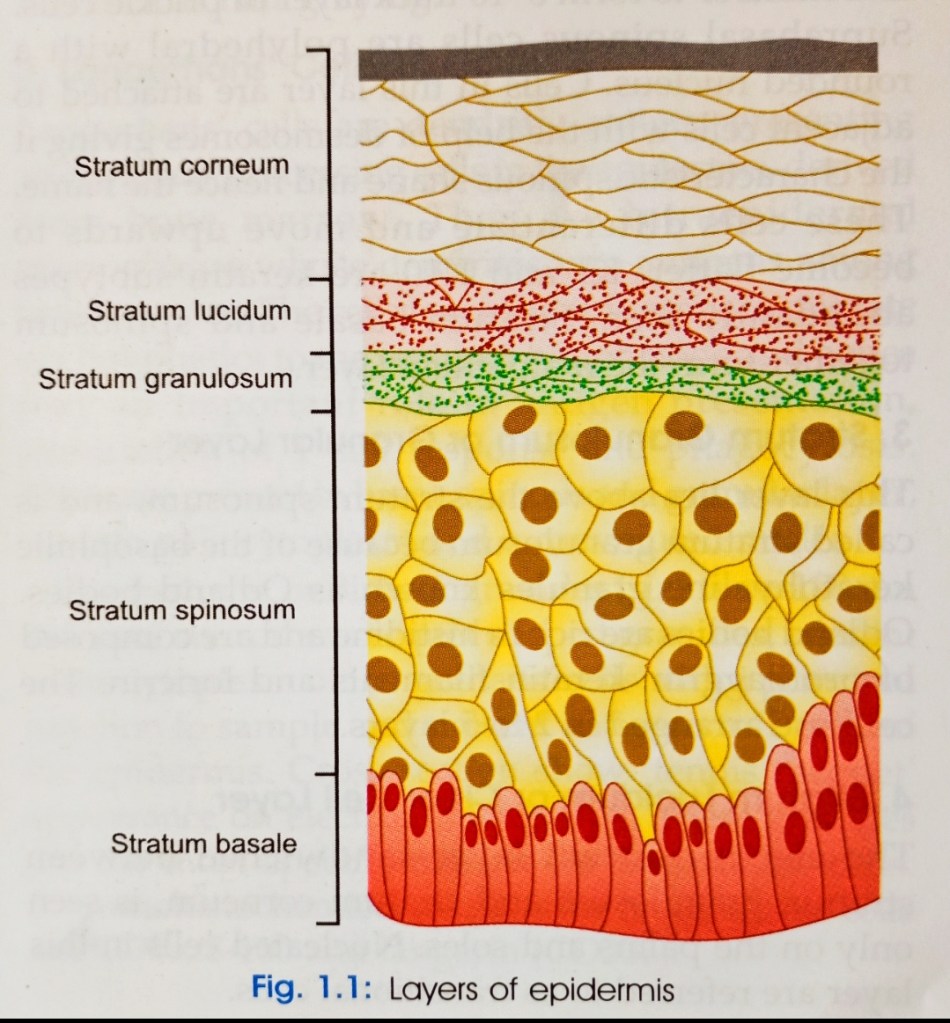
Epidermis: It comprises of stratified squamous epithelium, which is 0.4 to 1.5 mm thick whereas the entire skin is up to 4 mm in thickness. It is composed of five layers.

Layers of epidermis

1. Stratum Basale or Stratum Germinativum: It is a single cell layer but may become 2-3 cells thick in hyperproliferative epidermis and glabrous skin. Morphologically, the cells of this layer are small and cuboidal (10-14 um in diameter) with dense cytoplasm which contains tonofilament bundles, ribosomes andi large, dark-staining nuclei. The cells are attached to each other through desmosomes and to the basement membrane zone (BMZ) with the help of hemidesmo somes via keratin filaments K5 and K14. Cell division at this level occurs every 18th to 19th day making it the primary site for mitotically active cells. Melanocytes are seen interspersed in the basal layer. Basal layer mainly consists of three types of cells—stem cells, transient amplifying cells and postmitotic cells.

2. Stratum Spinosum or Prickle Cell Layer: Stratum spinosum is immediately above the basal cell layer, wherein the basal keratinocytes increase in size and number to form 8-10 thick laver of prickle cells. Suprabasal spinous cells are polyhedral with a rounded nucleus. Cells in this layer are attached to adjacent cells with the help of desmosomes giving it the characteristic spinous shape and hence the name. These cells differentiate and move upwards to become flatter. K1 and K10 are keratin subtypes abundantly seen. Stratum basale and spinosum together form the malpighian layer.

3. Stratum Granulosum or Granular Layer: This layer lies above the stratum spinosum, and is called stratum granulosum because of the basophilic keratohyaline granules known as Odland bodies. Odland bodies are rich in histidine and are composed of profilaggrin, keratin filaments and loricrin. The cells are arranged in 2 to 5 layers.

4. Stratum Lucidum or Clear Cell Layer: The electron lucent layer sandwiched between stratum granulosum and stratum corneum, is seen only on the palms and soles. Nucleated cells in this layer are referred to as transitional cells.

5. Stratum Corneum or Dead Cell Layer: It is the outermost skin layer with thickness of 20-25 cells. Cells in this layer are known as corneocytes which are anucleate, flattened cornified cells that are a result of complete differentiation of granular cells. The cells that were originally attached by desmosomes, separate to become flattened; and are shed while moving towards the surface. The main function of this layer is to provide mechanical protection to the skin and act as a barrier to water loss and permeability of soluble substances from the environment.

Types of Cell in Epidermis

  1. Keratinocytes: (90% of the cells) produce keratin which is a tough fibrous protein that provides protection.
  2. Melanocytes: which produce the pigment melanin that protects against damage by ultraviolet radiation.
  3. Langerhans cells: involved in immune responses, arise from red bone marrow.
  4. Merkel cells: which function in the sensation of touch along with the adjacent tactile discs

DERMIS

It constitutes 15-20% of the total weight of human body. Dermal thickness may vary depending on the site, e.g. 5 mm over the back and 1 mm over the evelids. It is a complex of fibrous, filamentous and amorphous connective tissue that consists of nerves, vessels, skin appendages, fibroblasts, macrophages, mast cells, Iymphocytes, plasma cells and other leukocytes. Fibrous connective tissue includes collagen and elastic fibers. Non-fibrous connective tissue consists of fine filamentous glycoproteins, proteoglycans (PGs) and glycosaminoglycans (GAGs) of the ground substance. It forms the bulk of skin and provides flexibility, stretch and tensile strength.
Dermis is divided into papillary and reticular dermis. Subpapillary plexus of blood vessels is present between papillary and reticular dermis. Adventitial dermis comprises of papillary dermis and periadenexal dermis.

Dermis Contains Two layers

  1. Papillary Region (upper layer immediately beneath epidermis) consists of areolar connective tissue containing thin collagen and elastic fibers, dermal papillae (including capillary loops), corpuscles of touch and free nerve endings. It is superficial and thin part of dermis (1/10th) that is present on under surface of the epidermis and forms ridges. It consists of bundles of collagen fibrils (small) and oxytalan elastic fibers. It shows high fibroblastic activity, high metabolic rate and svnthesizes different PGS.
  2. Reticular Region the deep layer, consists of dense irregular connective tissue containing collagen and elastic fibers adipose cells, hair follicles, nerves, sebaceous (oil) glands, and sudoriferous (sweat) glands. It comprises the lower 9/10th of the dermis and merges with the subcutaneous fat. Reticular dermis is subdivided into upper zone (intermediate size collagen fiber bundles and elaunin fibers) and deeper zone composed of large collagen fibrils.

The Cell of Dermis

  • Fibroblasts: are derived from mesenchymal tissue. They are the most common cells found in the dermis. They are seen as bipolar spindle cells with ovoid nucleus. Fibroblasts cause production and degradation of fibrous and non-fibrous proteins of connective tissue and matrix and hence act as a source of ground substance. They also provide a structural framework and help in interactions between epidermis and dermis.
  • Monocytes, Macrophages and Dendrocytes: Monocytes, macrophages and dendrocytes together form a mononuclear phagocytic system. Monocytes differentiate into macrophages. They contain lysosomes and phagocytic vacuoles. Dendrocytes are stellate, dendritic or spindle-shaped cells. These cells are phagocytic.
  • Mast Cells: Ovoid or spindle-shaped cells seen in the dermis, mast cells are derived from pleuripotent cells in the bone marrow. Mast cells have secretory properties. They are oval-shaped with round nucleus, 6-12 um in diameter and resemble a fried egg. Mast cells are of two types, those found in the dermis and submucosa (type 1) ); and those found in the bowel and respiratory mucosa (type 2). They have a high content of heparin, histamine, neutrophil, eosinophil chemotactic factors, tryptase, kininogenase and B-glycosaminidase. These cells consist of twc components: lamellae (thick, curve, parallel filaments forming whorls) and fine granular material.

Function of Skin

  1. Regulation of body temperature.
  2. Blood reservoir.
  3. Protection.
  4. Cutaneous sensations.
  5. Excretion and absorption.
  6. Synthesis of vitamin D.

Thanks you!

HOW TO START

Guidelines to start clinic during COVID-19.

Dermatologists started practice or will be planning to start the practice. To aid your practice during COVID-19 situation, *zydus-ziva* sharing the below PDF, which will briefs on basics that can be followed while opening / operating clinics.

I am sure that these guidance will be very useful while operating clinic.

Here’s the link to the file:

https://s.docworkspace.com/d/AMAvag_Ej6gpwd_Yn9CdFA

Shared from WPS Office:
https://kso.page.link/wps

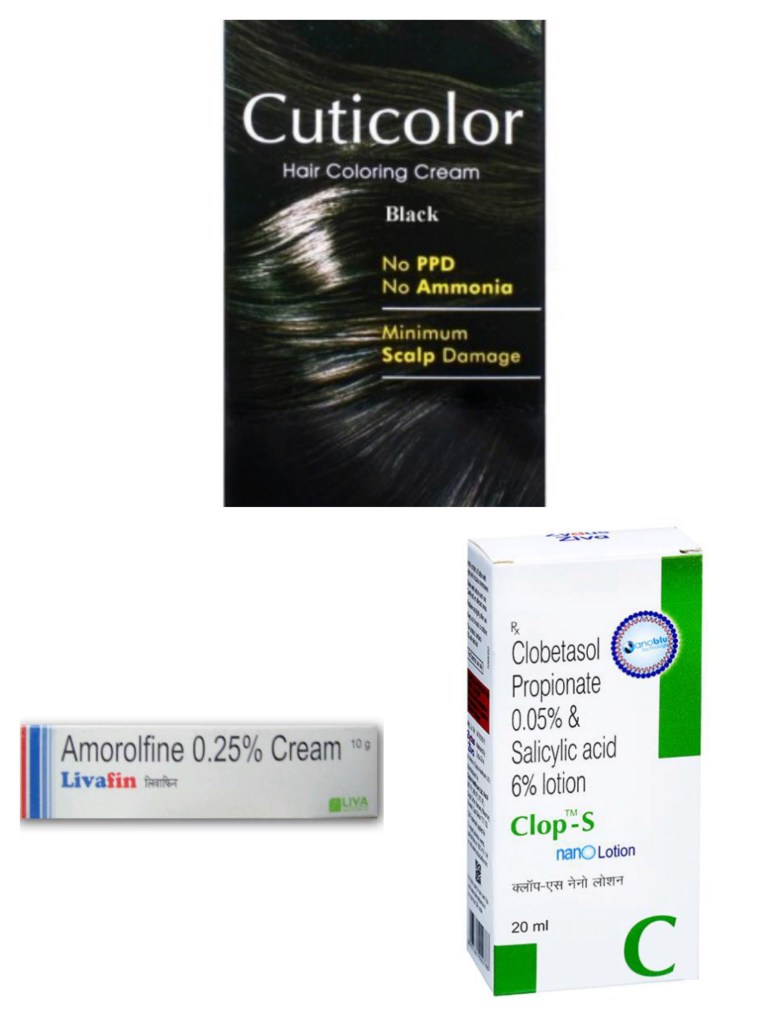
This scientific service is brought to you by Zydus Ziva from the Makers Of LIVAFIN, CLOP AND CUTICOLOR.

FITNESS OF YOUR MIND BODY AND SOUL.

Mind Body And Soul

DEFINITION OF FITNESS

According to the Centers for Disease Control and Prevention (CDC), physical fitness is defined as ‘the ability to carry out daily tasks with vigor and alertness, without undue fatigue, and with ample energy to enjoy leisure-time pursuits and respond to emergencies.

Fitness come only through regularly exercising is half truth.

EXERCISE.

Exercise

As per Cambridge dictionary exercise is:-
physical activity that you do to make your body strong and healthy. Exercise is physical activity that is planned, structured, and repetitive for the purpose of conditioning the body.

Benefits of exercise:-

  • Control your weight.
  • Manage blood sugar and insulin levels.
  • Reduce risk of heart diseases.
  • Improve your mental health and mood.
  • Strengthen your bones and muscles.
  • Improve your sexual health.
  • Improve your sleep.

But only exercise will make us fit, is not 100% true.
Exercise with good Diet, Adequate Sleep, Water Intake and Work-life Balance is equally important.

Exercise, Diet, Sleep and Work-life Balance are the four wheels which take our body to the Fitness destination And Where water act as a fuel.

So let see other four important factors of Fitness:- Diet, water, Sleep and Work-life Balance.

DIET.

Diet

Balance diet is very important to make your body function properly. your organs and tissues need proper nutrition to work effectively. Without good nutrition or balance diet your body is more prone to disease, infection, fatigue, and poor performance.

Benefits of healthy and balance diet:-

  • Weight Management.
  • Reduced cancer risk.
  • Diabetes management.
  • Heart health and stroke prevention.
  • Strong bones and teeth.
  • Better mood.
  • Improved memory.
  • Improved gut health.
  • Getting a good night’s sleep.

WATER.

Adequate Intake Of Water

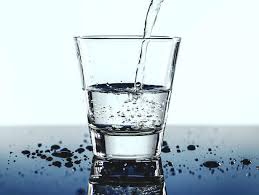
Drinking water has a number of important benefits. As you know tha 70% of body fluids is Water. So to maintain healthy body we should Drinking water 8 glasses each day.

Benefit of drinking water:-

  • Regulates Body Temperature.
  • Helps prevent constipation.
  • Help in Weight Loss.
  • Increased Concentration.
  • Important for Younger Looking Skin.
  • Help in Absorbing Vitamins & Minerals.
  • Increases your Energy.
  • Enhance Mental & Physical Ability.

SLEEP.

Adequate Sleep

Sleep is a state of rest, which happens in animals, including humans.
Many experts says that 7 to 9 hour of sleep is considered as best.

Benefit of good sleep:-

  • Sharper Brain.
  • Reduce depression.
  • Reduce risk of heart disease and stroke.
  • Improves your immune function.
  • Improve concentration and productivity.
  • Reduced and maintain Weight.
  • Maximize athletic performance.
  • Increase energy and positivity

WORK-LIFE BALANCE.

Work-life Balance

Work-life balance is a term used for the idea that you need time for both work and other aspects of life, whether those are family-related or personal interests.

Benefit of work-life balance:-

  • Reduced stress
  • Better time management.
  • Personal growth.
  • Better focus.
  • Higher engagement.
  • Personal health & wellbeing.
  • Feel more valued.

To attend overall fitness of mind body and soul give equal importance to exercise, sleep, diet, water and Work-life balance.

Inspirational Fitness Sayings and Quotes:-

“The stronger you are the better you feel.”

  • “The stronger you are the better you feel.”
  • “Train like an athlete, Eat like a nutritionist, sleep like a baby, and win like a champion.”
  • “If it doesn’t challenge you, it doesn’t change you.”
  • “A healthy outside starts from the inside.”

FUNGAL INFECTION

What Is a Fungal Infection?

fungal infection, also called mycosis, is a skin disease caused by a fungus. There are millions of species of fungi. They live in the dirt, on plants, on household surfaces, and on your skin. Sometimes, they can lead to skin problems like rashes or bumps.

Fungal Infection Symptoms

A fungal skin infection might cause:

  • Irritation
  • Scaly Skin
  • Redness
  • Itching
  • Swelling
  • Blisters

Today it has become big challenge to treatment fungal infection due to drugs resistance.

DO’S AND DON’TS TO AVOID FUNGAL INFECTION.

Do’s

  • Keep your skin clean and dry.
  • Wear loose fitted clothing.
  • Keep your nails short and clean.
  • Daily change your socks and undergarments.
  • Wash your hands with soap with running Water after paying with pets.
  • Use medication for the correct duration, as advised by your doctor.
  • Always shower immediately following exercise or a hard day’s work under the sun. This will wash away the oils produced through sweat, oils that the fungus feeds upon.

Don’ts

  • Do not walk barefoot in areas like locker room or public showers or public pools.
  • Do not share clothing, towels and other personal items with others.
  • Don’t scratch the affected skin as this spreads the infection.
  • Don’t cut the cuticles, which is dead skin at the base of finger nail or Toe nail.
  • Do not handle animals with infections.
  • Do not eat unhealthy foods.
  • Do not wear polyester, denim and skin tight clothes.

SELF CARE STEPS TO AVOID DIGITAL EYE STRAIN.

1. Blink often to refresh your eyes. Many people blink less than usual when working at a computer, which can contribute to dry eyes. Binking produces tears that moisten and refresh your eyes. Try to make it a habit to blink more often when looking at al monitor.

2. Take eye breaks. Throughout the day, give your eyes a break by looking away from your monitor. Try the 20-20-20 rule: Every 20 minutes, look at something 20 feet away for at least 20 seconds.

3. Check the lighting and reduce glare. Bright lighting and too much glare can strain your eyes and make it difficult to see objects on your monitor. The worst problems are generally from sources above or behind you, including fluorescent lighting and sunlight. Consider turning off some or all of the overhead lights. Place an anti-glare cover over the screen.

4. Adjust your monitor. Position your monitor directly in front of you about an arm’s length away so that the top of the screen is at or just below eye level.

5. Use a document holder. When referring to print material during work on your computer, place it on a document holder. Some holders are designed to be placed between the keyboard and monitor; others are placed to the side. The goal is to reduce how much your eyes need to readjust and how often you turn your neck and head.

6. Adjust your screen settings. Enlarge the type for easier reading. And adjust the contrast and brightness to a level that’s comfortable for you.

Cares for your eyes which cares for you.

27 ways to boost your immunity

Vitamin C
Sleep
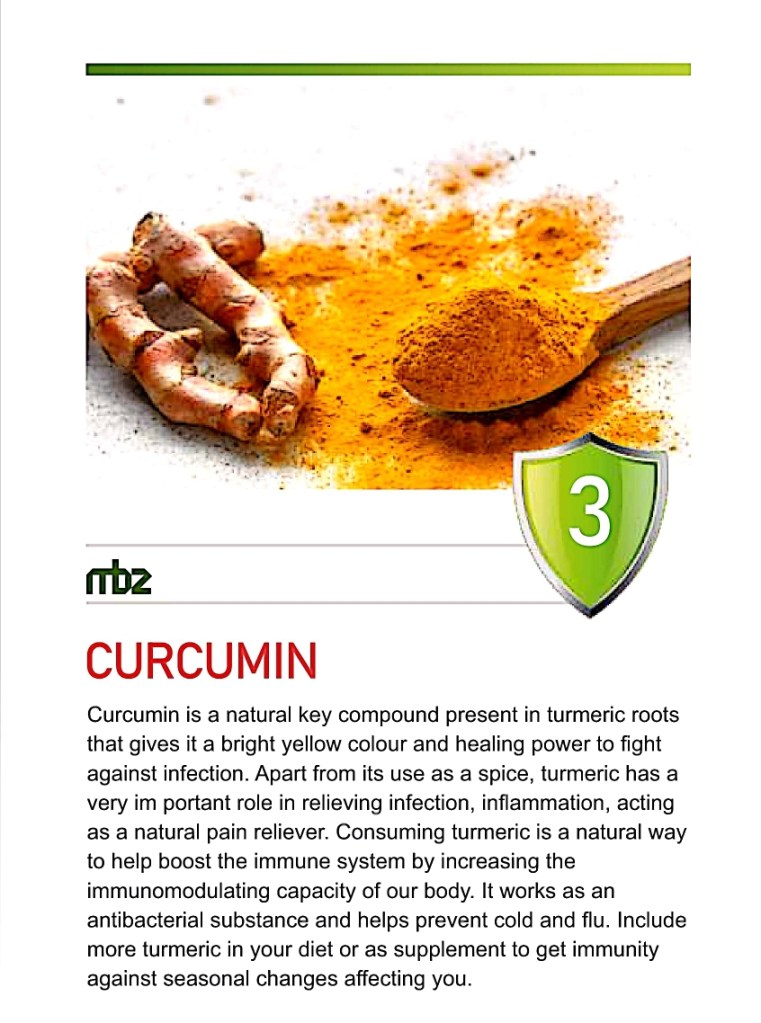
Curcumin
Stress
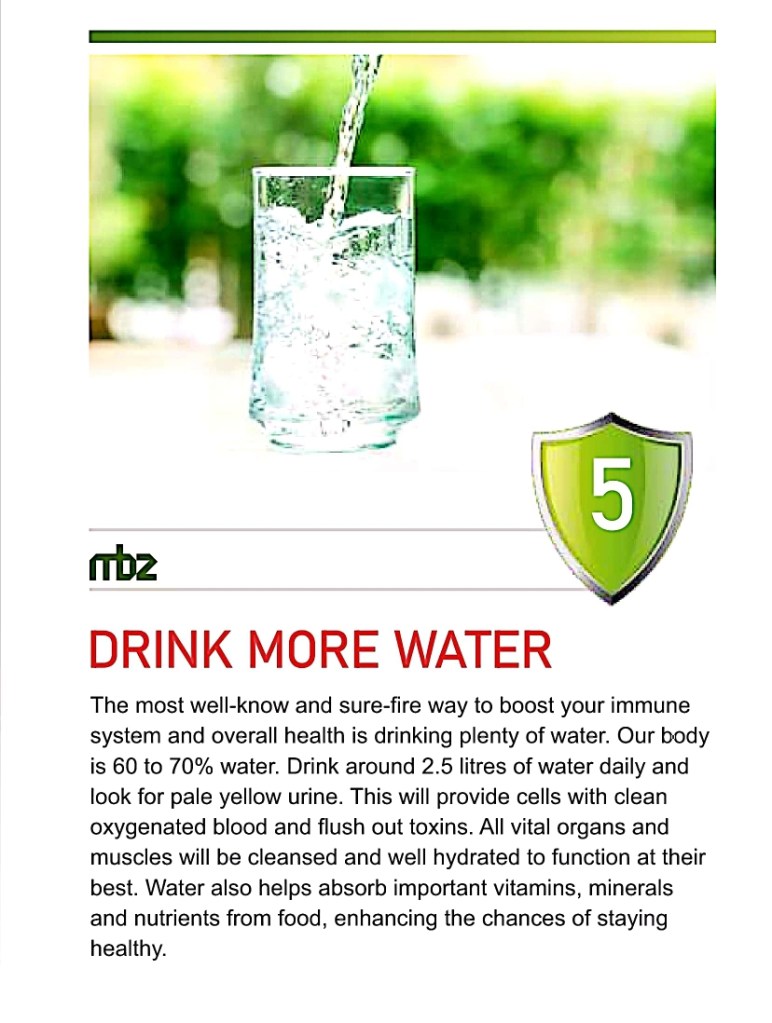
Drink Water
Yoga
Homeopathy
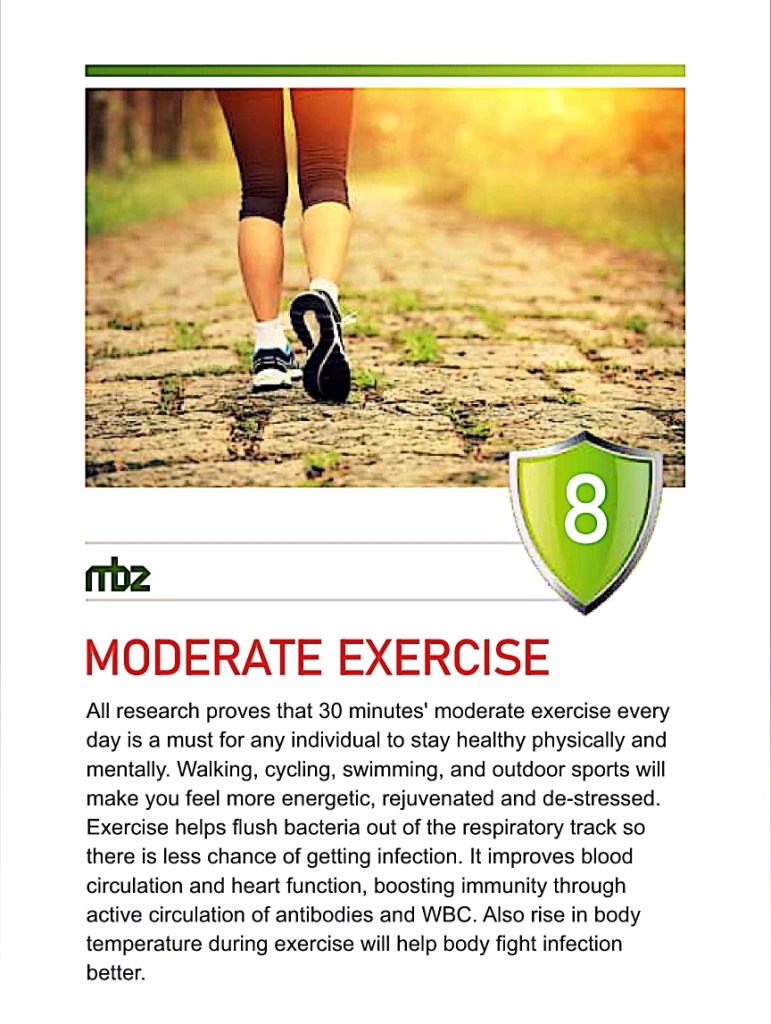
Exercise
Plant Food
Vita Vitamin
Yogurt
Health Fat
Garlic
Omega-3
Sun Bath
Avoid Alcohol And Smoking
Green Tea
Herbs intake
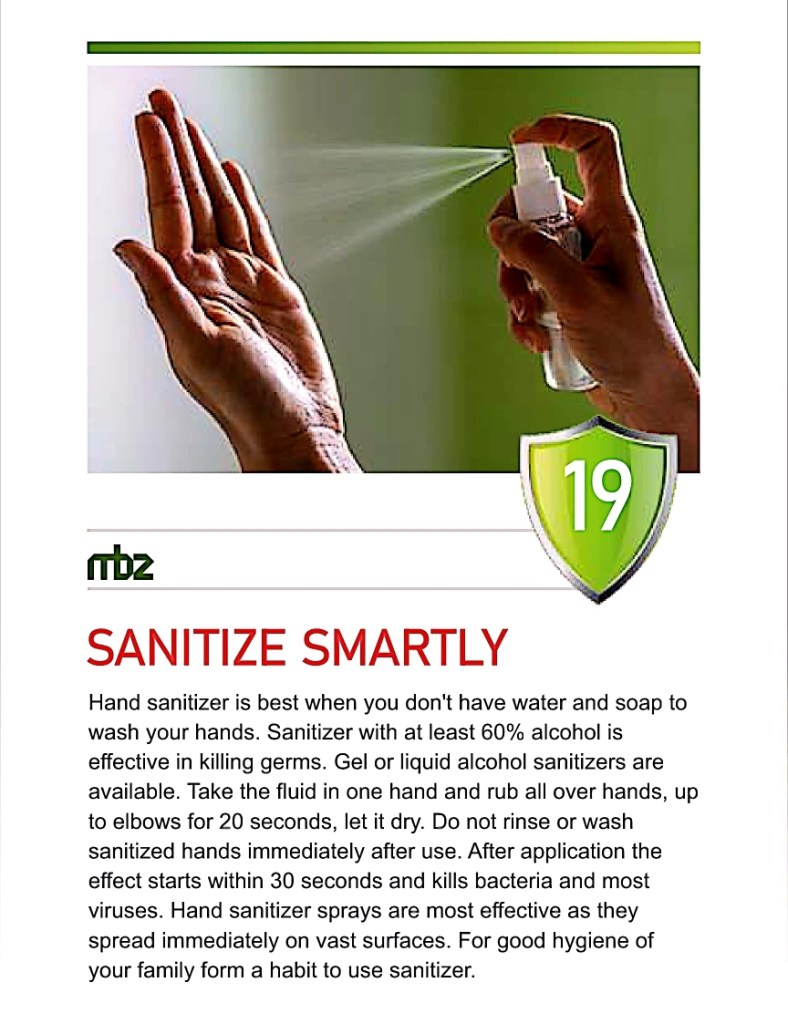
Sanitization
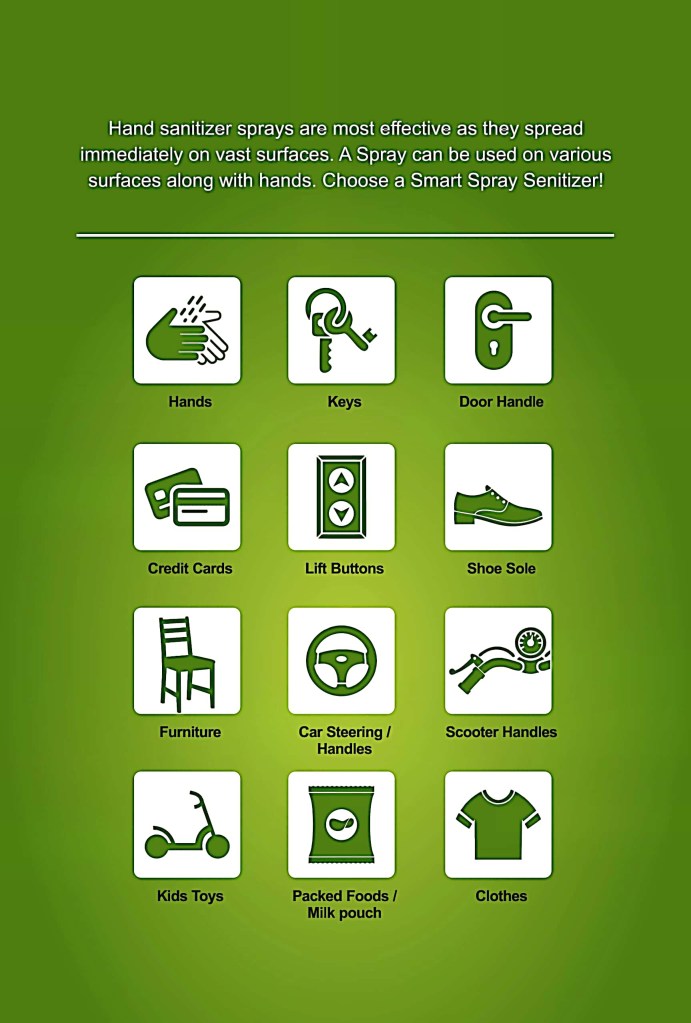
Sanitization Tips.
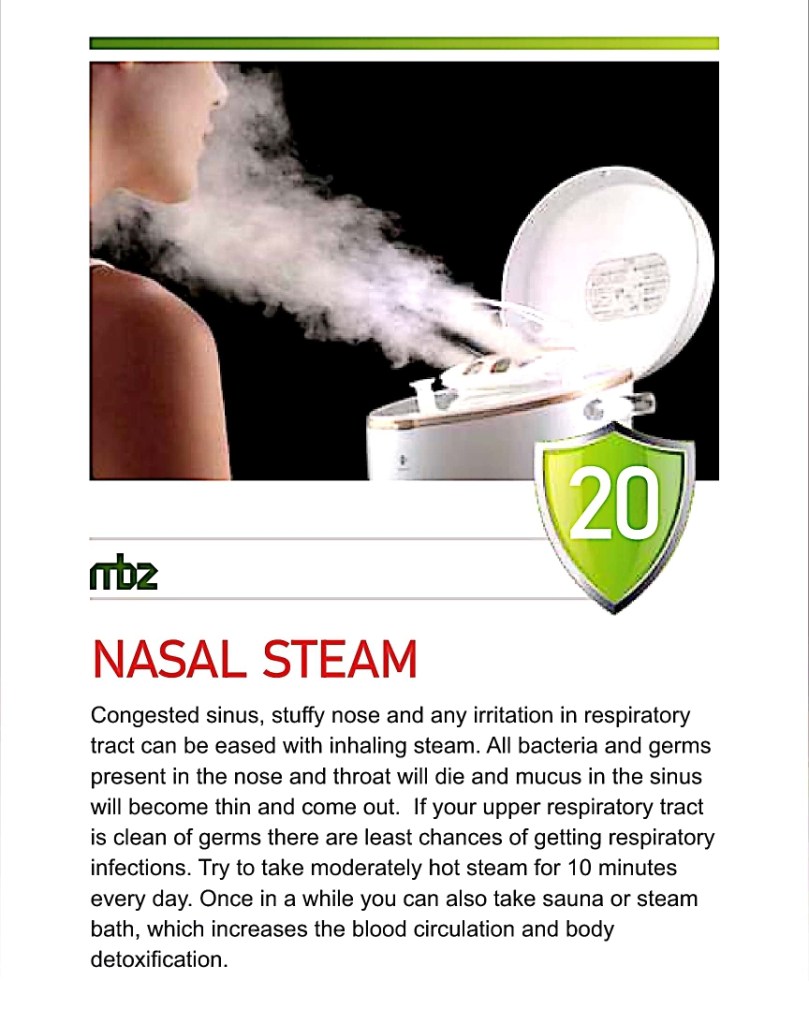
Nasal Steam
Noni
Intake antioxidant
Vitamin B12
Kids Immunity
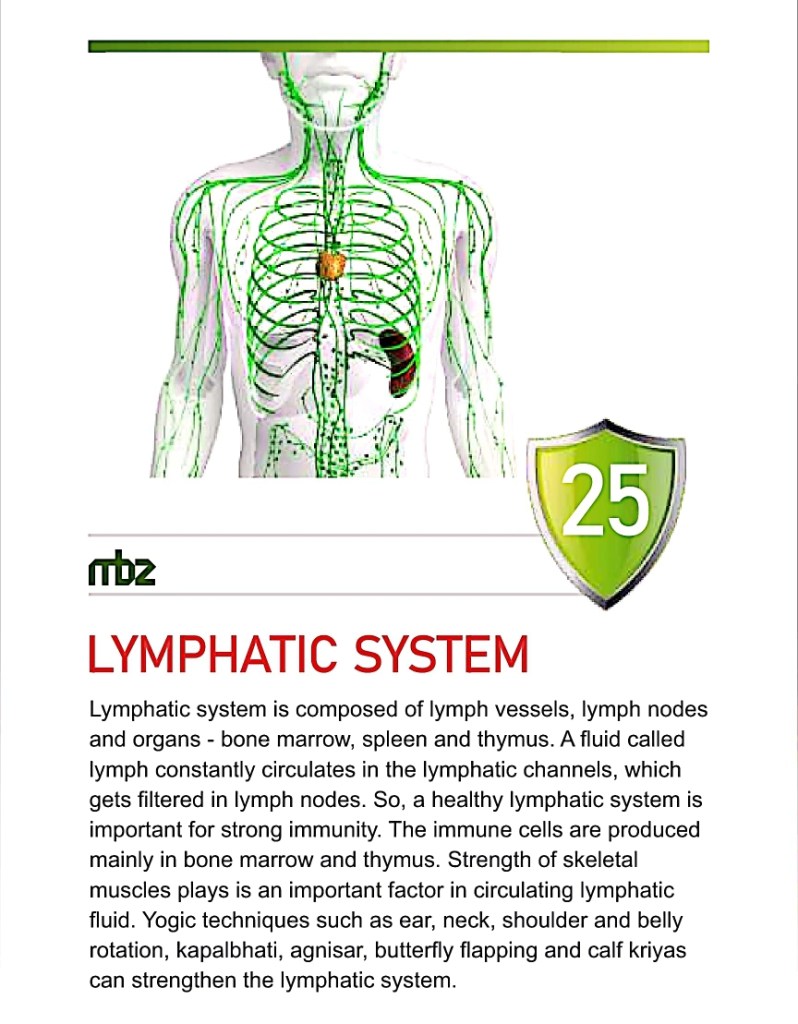
Lymphatic system
Stored Water in Copper
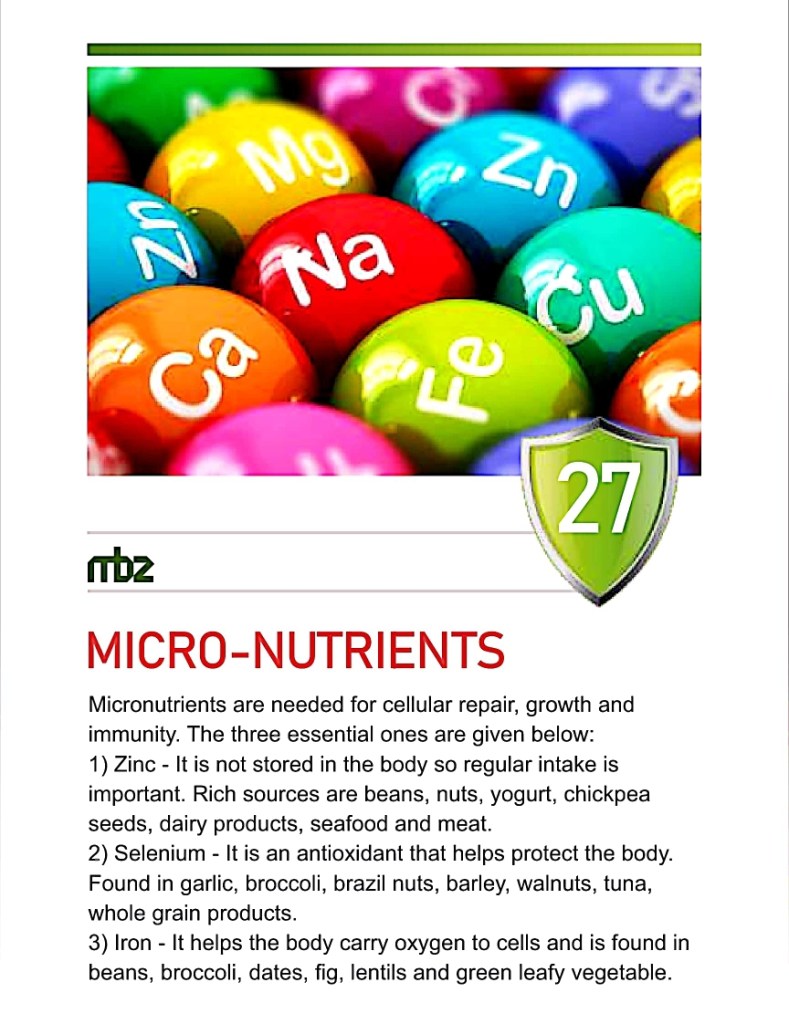
Micro Nutrients

Fights virus like Corona virus by boosting your immunity.

Don’t wait for covid-19 vaccines, Boost your immunity.

Covid-19


Good News
Now Corona Patients won’t have to pay Exorbitant Charges in Private Hospitals and Nursing Homes.
Maharashtra Government tightens the noose.


Some important points for Mumbai Patients:-


(1) Maharashtra Government takes control of 80% Beds of Private Hospitals and Nursing Homes by an order.
(2) Treatment Charges per day inclusive of Bed charges, Doctor’s Fees, Nursing Charges, Meals and medicine will be Rs.4,000/- , for ICU – Rs.7,500 and for ICU with Ventilator Rs.9 000/-.
Any special test or special medicine will be charged extra.
(3) Rs.4,500/- will be charged extra for Covid -19 testing .
(4) Treatment will be done by Doctors and Staff of the Hospitals.
(5) Municipal Corporation of Greater Mumbai (MCGM) will give information about availability of Beds in Hospitals by an App. Or by a Dashboard.

Source:-

https://timesofindia.indiatimes.com/city/mumbai/maharashtra-caps-treatment-rates-for-80-per-cent-beds-at-private-hospitals/articleshow/75880115.cms

Design a site like this with WordPress.com
Get started